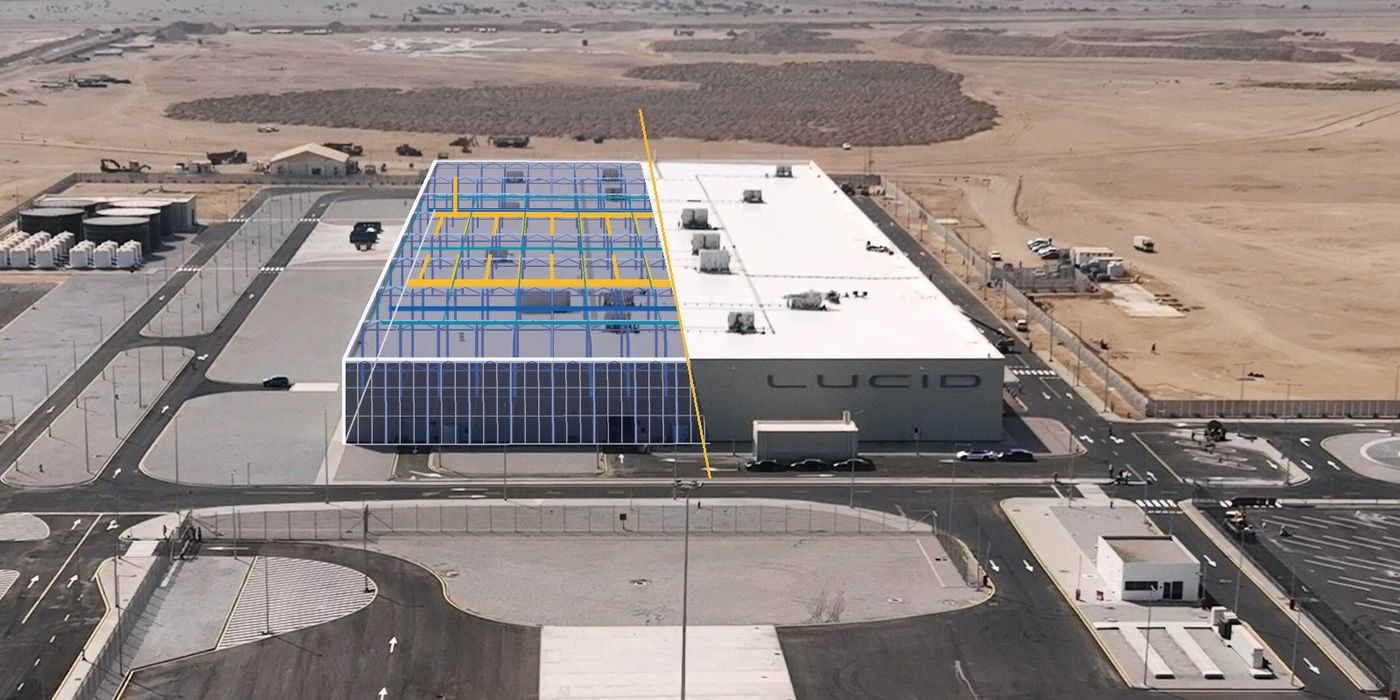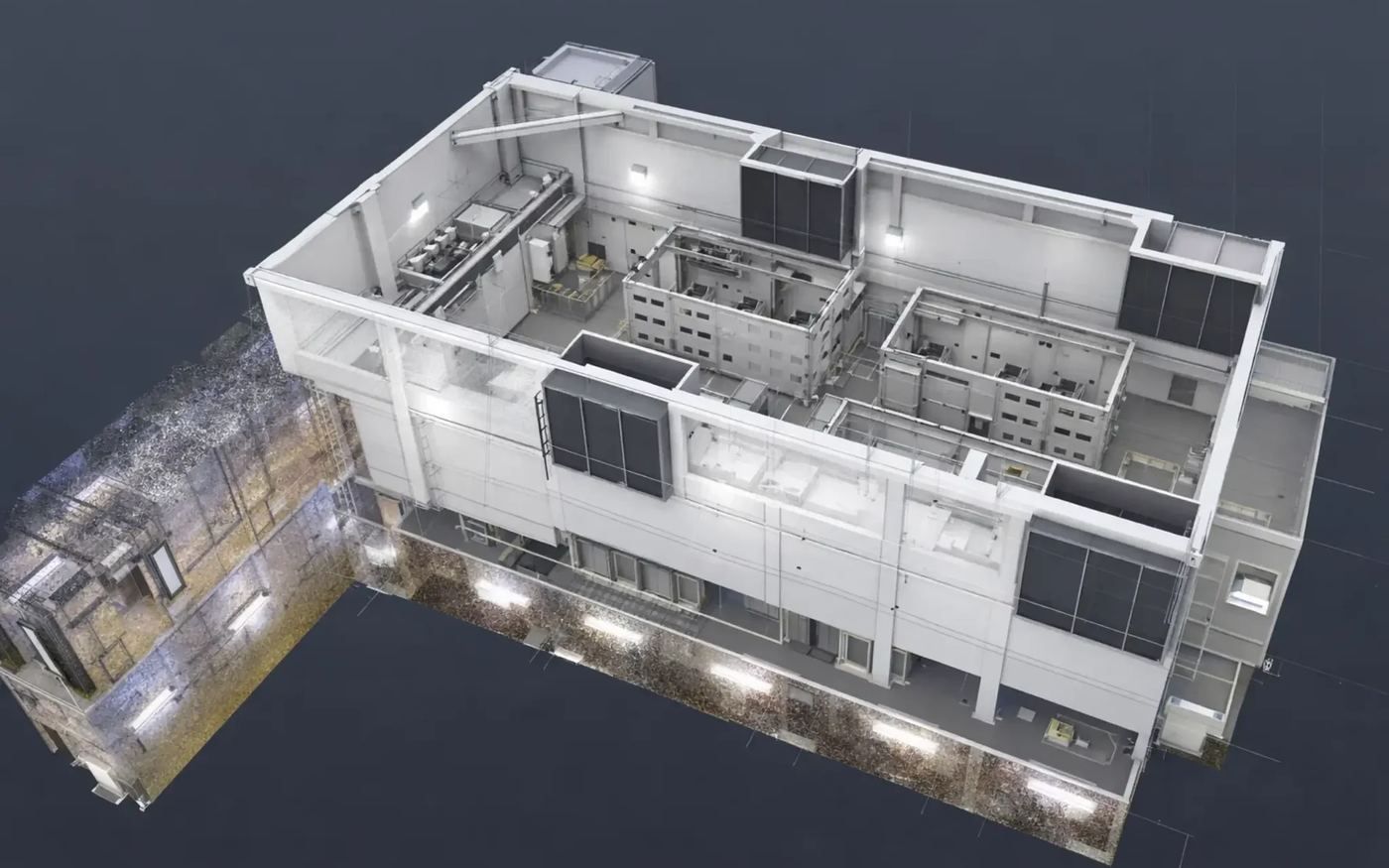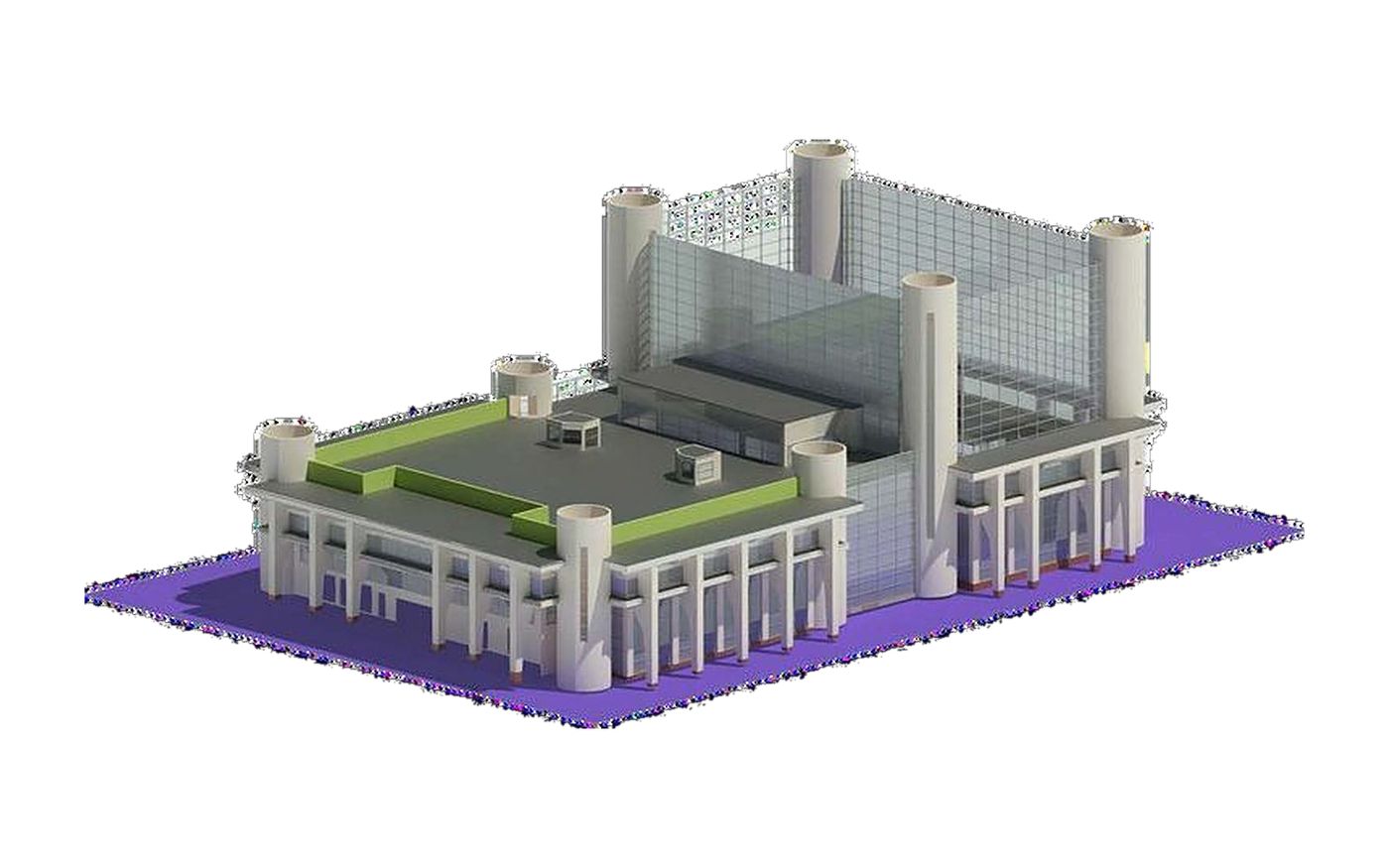

LEED and BIM in Saudi Arabia work best together. Green building ratings ask for evidence: energy performance, water use, daylight, materials and their quantities. A well-structured BIM model already holds most of that evidence, so teams that plan for it can run analysis and documentation from the model instead of rebuilding the numbers by hand.
What are the Kingdom's sustainability targets?
The Saudi Green Initiative, launched in 2021, sets the national direction. According to the Climate Change Laws of the World database, it targets a reduction of 278 million tonnes a year in carbon emissions by 2030, net zero by 2060, planting 10 billion trees across the Kingdom and protecting 30% of its land and sea.
Buildings sit close to the centre of that effort, because of cooling. A 2019 peer-reviewed study of the residential energy code noted that about half of the electricity generated in Saudi Arabia goes to air conditioning homes. Cutting cooling load is the most direct way a building project contributes.
Which rules and ratings apply?
The Saudi Building Code energy requirements
The energy conservation code for residential buildings, SBC 602, divides the Kingdom into three climate zones, each with a maximum overall heat-transfer coefficient for the envelope. The Saudi Energy Efficiency Center has stated that thermal insulation of buildings is compulsory. The SBC 2024 edition became mandatory on 30 June 2025, according to a Chambers and Partners practice guide, so check your project against the current edition.
Mostadam
Mostadam is Saudi Arabia's own green building rating system, developed with the Ministry of Housing and the consultancy Alpin. It has three rating systems, for residential buildings, communities and commercial buildings, each with a track for design and construction and one for operations. Sources differ on its launch date, giving October 2019 or January 2020. A 2022 survey of 200 Saudi building professionals found that 80% had heard of LEED and Mostadam.
LEED
LEED, from the US Green Building Council, is widely used in the Kingdom. USGBC told Arab News in October 2021 that it had certified more than 1,500 projects in Saudi Arabia. Newer counts circulate online, but we could not confirm them against USGBC's own directory, so we use the 2021 figure and its date.
We found no national rule that makes LEED or Mostadam compulsory for all buildings. Ratings usually come from the client's brief, the tenant's standards or the funder. For the wider regulatory picture, see is BIM mandatory in Saudi Arabia.
How does BIM help with LEED and Mostadam?
Most credits depend on numbers that live in the model:
| Credit area | What the model provides |
|---|---|
| Energy performance | Room volumes, envelope areas and build-ups, glazing ratios and orientation for the energy model |
| Daylight and views | Room geometry and openings for daylight simulation and sun studies |
| Water efficiency | Fixture counts and types by space |
| Materials | Quantities of concrete, steel, glass and finishes for embodied carbon, recycled content and regional sourcing |
| Site and heat island | Roof and hardscape areas, shading and planting |
| Commissioning and operations | Equipment schedules and asset data for commissioning and measurement |
The gain is speed and consistency. When the design changes, the quantities change with it, and the energy and daylight models can be rerun from the same geometry. Without a model, each change means re-measuring drawings.
How should you set up the model for analysis?
Energy and daylight tools need a model built with analysis in mind. Agree these rules at concept stage:
- Rooms and spaces defined and bounded, with names and uses that match the energy model's zones.
- Envelope build-ups modelled as real layers with thermal properties, checked against the SBC climate zone limits.
- Openings and shading modelled accurately, since glazing drives solar gain.
- Materials named consistently so quantities can be grouped for embodied carbon and recycled content.
- A credit tracker linked to the model, so each credit's evidence points to the elements that support it.
Generative design helps at the earliest stage. Testing many massing options for orientation, self-shading and daylight before the design is fixed often saves more energy than any later fix. Our generative and computational design team runs those studies.
A stage-by-stage plan for a LEED project in the Kingdom
This is how we sequence the BIM and sustainability work on a typical commercial building in Jeddah or Riyadh:
- Concept. Agree the target rating and the credits you will pursue. Build a massing model and run early sun, shading and daylight studies to fix orientation and glazing ratios while they are still cheap to change.
- Schematic design. Build the first energy model from the BIM geometry and compare envelope options against the SBC climate-zone limits. Record each decision against the credit it supports.
- Detailed design. Model envelope build-ups, MEP systems and fixtures fully. Rerun energy and daylight models, and take material quantities from the model for embodied carbon and recycled-content credits.
- Construction. Track material submittals against the model, so the quantities in the LEED documentation match what was bought and installed. Coordinate MEP so commissioning access is designed in, not found on site.
- Handover. Deliver the as-built model with equipment data for commissioning and measurement, and set up metering so the operations track has data from day one.
The common thread is one model feeding every calculation. When the design changes at stage three, the energy, daylight and materials figures update from the same source, and the credit tracker shows which credits the change affects.
What happens after certification?
LEED and Mostadam both have operations tracks, and the Saudi Green Initiative is measured in real emissions, not design figures. A model that carries through to operations, with metered data from IoT sensors, lets owners compare predicted and actual energy use. That is the basis of a digital twin for facility management.
How AIM United works on LEED projects
AIM United's LEED team is based in Hamburg and works with our BIM teams in Jeddah. The team covers credit strategy, energy modelling, daylight and sun studies, water and indoor environment credits, and the documentation for certification. Because the same group builds the BIM model, analysis and documentation draw on one source of quantities.
See our LEED and sustainability consulting service, or read BIM adoption in Saudi Arabia in 2026 for the wider market picture.
Frequently asked questions
Is LEED required in Saudi Arabia?
We found no national rule that requires LEED. Some developers and government clients require LEED or Mostadam certification in their project briefs. The Saudi Building Code's energy requirements apply regardless of any rating.
What is the difference between LEED and Mostadam?
LEED is the US Green Building Council's international rating system. Mostadam is Saudi Arabia's own system, developed with the Ministry of Housing, with rating systems for residential, communities and commercial buildings, each covering design and construction or operations.
Can a BIM model be used for energy modelling?
Yes, if it is set up for it. The model needs rooms and spaces defined, envelope build-ups with thermal properties, and openings modelled correctly. Agree those modelling rules at concept stage.
Planning LEED or Mostadam certification?
AIM United's LEED team in Hamburg works with our BIM teams in Jeddah on energy modelling, daylight and sun studies, credit strategy and documentation for projects in the Kingdom.
Sources
- Saudi Green Initiative, Climate Change Laws of the World (Grantham Research Institute, LSE), launched 2021, accessed 6 October 2026.
- BIM-based model for sustainable built environment in Saudi Arabia, Frontiers in Built Environment (Hasanain and Nawari), 29 November 2022.
- USGBC and green building in Saudi Arabia (business and economy), Arab News, 25 October 2021.
- Residential buildings thermal performance to comply with the energy conservation code of Saudi Arabia, Engineering, Technology & Applied Science Research (AlFaraidy and Azzam), April 2019.
- Thermal insulation of buildings urged to save energy in Saudi Arabia, Arab News, 10 March 2020.
- Construction Law 2026: Saudi Arabia, Trends and Developments, Chambers and Partners Practice Guides (GLA & Company), 4 June 2026.
Links checked on 6 October 2026. Regulations change: confirm current requirements with the issuing authority before you rely on them.
 Written by the AIM United BIM team in Jeddah. AIM United delivers BIM, scan to BIM, digital twins and design-build across Saudi Arabia.